Almonds

Crude Almond Oil

Intermediate almond oil streams from California for downstream refining, industrial ingredient systems, custom finishing and export-oriented commercial programs.

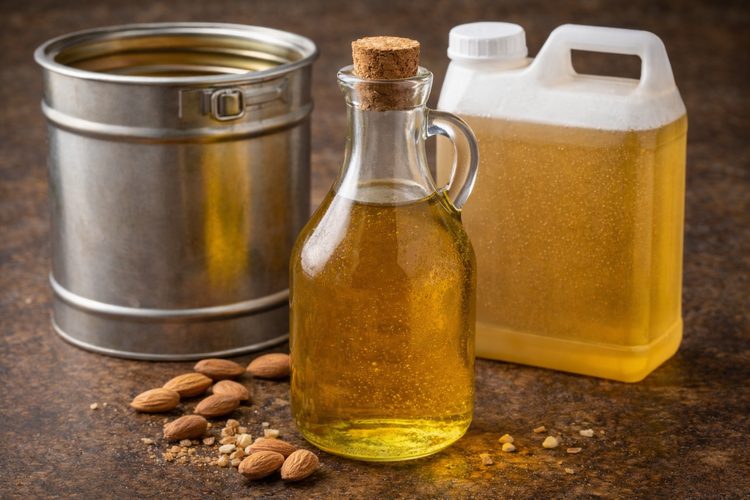
Illustrated placeholder for Crude Almond Oil
Product overview

Crude almond oil from a California commercial workflow

Crude almond oil is generally positioned as an intermediate stream rather than a finished consumer-ready oil. It is usually discussed when the buyer intends to refine, finish, deodorize, filter, blend or otherwise process the material downstream according to their own manufacturing pathway. For that reason, the commercial conversation around crude oil is different from the one used for cold-pressed edible oil or refined finished oil.

Buyers in this category are often evaluating process compatibility, yield logic, handling requirements, packaging route, storage conditions and end-use economics rather than retail flavor presentation or consumer pack design. The most useful inquiry therefore explains what the oil will become after purchase, how it will be moved, and what level of downstream control the buyer intends to retain.

Atlas Global Trading Co. supports commercial discussions for crude almond oil through a California supply context and structures inquiries around industrial use case, pack format, shipment model, documentation requirements and the intended refining or finishing pathway. That creates a more workable conversation than treating crude oil as a standard shelf-ready ingredient.

Crude almond oil is typically discussed as an intermediate industrial stream rather than a finished retail ingredient. Buyers normally evaluate it in relation to further processing, refinery input, blending economics or custom downstream finishing.

Technical

Technical buying focus

Crude oil is generally an intermediate format used where downstream refining or custom finishing is planned. Specifications often cover handling, storage, intended processing route, packaging type and how the material will move from receipt into the buyer’s own system. In commercial practice, crude oil is rarely evaluated only on name or origin; it is evaluated on suitability for the intended downstream operation.

Technical conversations may include storage conditions, transfer method, tank or drum preference, lot management, traceability expectations and how the oil is expected to perform through filtration, refining, blending or other industrial steps. The more clearly the downstream intent is defined, the easier it becomes to assess fit.

Commercial

Commercial planning focus

Commercial discussions around crude almond oil usually center on yield logic, refining pathway, packaging format, shipment size, handling economics and the final value of the oil after downstream processing. Buyers may be comparing crude oil as an industrial input rather than as a finished ingredient, so the conversation often focuses on conversion economics and operational practicality.

Program structure may vary widely between a one-time industrial lot, a recurring refinery input, a blend program or an export supply model. Atlas frames the discussion around the true commercial use case rather than a generic product quote.

Why buyers choose crude oil

Crude almond oil is selected when downstream control matters

The key reason to buy crude almond oil is usually not immediate end use. It is the desire to retain control over the next processing stage. This may be important for buyers that refine in-house, work with downstream processors, or need a specific finished profile that is better achieved through custom handling after purchase.

Compared with refined oil

More process responsibility, more downstream flexibility

Refined almond oil is generally selected when the buyer wants a more finished, standardized oil ready for formulation or packing. Crude almond oil is more relevant when the buyer prefers to control finishing steps internally or needs an intermediate input for a specific processing pathway, blend or industrial target.

Compared with edible specialty oils

Less about retail readiness, more about industrial pathway

Cold-pressed edible almond oil or premium culinary oil is usually marketed on flavor, sensory identity and finished positioning. Crude almond oil is normally discussed in terms of processing, handling and conversion value. The right choice depends on whether the buyer needs a finished specialty oil or a workable intermediate stream.

Application pathways

Common commercial uses for crude almond oil

Refining

Downstream refining and finishing

One of the main uses of crude almond oil is as a feed stream for further refining or finishing. Buyers in this segment often focus on how the oil will behave in their own process, whether that involves filtration, neutralization, deodorization, standardization or another finishing sequence.

Industrial ingredient use

Ingredient systems and custom oil programs

Some buyers use crude almond oil within broader industrial ingredient systems or custom oil programs where the oil is not intended to remain in crude form. In these cases, the commercial discussion often concerns conversion cost, pack handling, transfer efficiency and lot consistency in an industrial environment.

Blending

Custom blending and formulation routes

Crude almond oil may also be evaluated for use in downstream blending programs where the buyer is managing oil characteristics through a broader process. This typically requires a commercially mature conversation about handling, formulation strategy, documentation and how the oil fits within the buyer’s manufacturing logic.

Export industrial supply

Cross-border intermediate oil programs

In export business, crude almond oil may move as an intermediate industrial material to buyers that finish or refine closer to the end market. These projects generally require more attention to packaging, transport method, destination acceptance and document flow than simple domestic finished-oil business.

Processing intent

Why end-use intent must be defined early

For crude almond oil, the buyer’s downstream plan is one of the most important commercial details. An industrial processor seeking refinery input is evaluating a different set of parameters than a company looking for a finished oil to pack directly. The supplier conversation becomes much more efficient when the buyer states whether the oil will be refined, filtered, blended, standardized or used in another controlled pathway.

Without that context, it is difficult to assess whether crude oil is the correct format or whether a more finished almond oil would be commercially better aligned.

Handling and storage

Operational fit affects economic fit

Because crude oil is typically an intermediate material, handling and storage are not secondary issues. Packaging format, transfer method, warehouse setup, temperature control expectations and time-to-processing can all affect the commercial value of the product once it reaches the buyer’s facility. The right packaging route is therefore part of the technical discussion, not just the logistics plan.

Specification guidance

What buyers usually define for a workable crude almond oil inquiry

A strong crude oil inquiry should explain the industrial pathway. It is usually not enough to say only “crude almond oil needed” without clarifying the commercial and technical route.

Technical variables
  • intended downstream process
  • refining, finishing or blending pathway
  • handling and transfer expectations
  • storage conditions and usage timing
  • packaging type preference
  • industrial or formulation end-use direction
  • traceability and lot-management needs
  • required technical documentation scope
Commercial variables
  • spot lot vs. recurring industrial program
  • domestic or export shipment plan
  • drum, tote or bulk packaging direction
  • estimated volume and order rhythm
  • destination market and document requirements
  • refinery input economics or downstream conversion model
  • target timing for first shipment
  • contract, trial or long-term program structure
Quality and documentation

Operational alignment matters as much as product identity

Industrial oil buyers often judge suitability through a combination of material handling logic, document flow and downstream process compatibility. That is especially true for crude oil because the value of the product is closely linked to what happens after delivery.

Typical quality review
  • product identity and intermediate-stream positioning
  • lot consistency and handling suitability
  • storage and receiving practicality
  • pack integrity and industrial presentation
  • traceability support
  • commercial fit for downstream processing
  • shipment condition on arrival
  • alignment with the intended processing route
Documents buyers may request
  • product specification sheet
  • commercial invoice and packing list
  • country-of-origin information
  • allergen-related documents where relevant
  • lot traceability references
  • packaging and palletization details
  • shipment-supporting documents for export programs
  • industrial handling or storage notes where available
Packaging

Packaging should match the downstream processing environment

Crude almond oil is commonly discussed in packaging formats suited to industrial handling rather than consumer presentation. The appropriate solution depends on shipment size, receiving setup, storage conditions, transfer method and whether the buyer is operating a small custom process or a larger refinery-style workflow.

In many cases, buyers are less interested in retail appearance and more interested in transport security, fill logic, transfer efficiency and how easily the product can move into the next processing stage.

Logistics

Export and industrial transport planning must be practical

Commercial planning for crude almond oil often includes packaging stability, transport method, handling at destination, lead times and document requirements. Longer routes and export programs may require more structured discussion around storage conditions, turnover time and how the shipment will be received and processed on arrival.

Atlas can review destination, program size and industrial route to structure a more workable supply discussion from the beginning.

Program economics

How crude almond oil is usually bought commercially

Some buyers need crude almond oil for a specific downstream project or short-run conversion. Others need a recurring input stream tied to a finishing or refinery pathway. The commercial model usually depends on how clearly the buyer can define the conversion logic, the expected repeat rate and whether the oil is part of a broader industrial ingredient program.

For buyers with established processing capability, continuity of handling fit and documentation can be as important as the supply itself.

Cost drivers

What commonly influences the quote

  • packaging route and industrial handling needs
  • spot volume vs. repeat program size
  • domestic vs. export shipment complexity
  • documentation and destination-market requirements
  • downstream processing expectations
  • storage and transfer practicality
  • commercial structure around industrial timing
  • overall conversion and end-use economics
Who this page is for

Built for industrial buyers, processors, refiners and export program managers

This page is designed for commercial teams evaluating crude almond oil as an intermediate industrial stream rather than a finished shelf-ready product. It is especially relevant for buyers involved in downstream refining, custom oil finishing, industrial ingredient systems, blending operations and export-oriented process supply.

The most useful next step is to send an inquiry that explains the intended downstream route, packaging preference, shipment structure, destination and volume profile. That makes it easier to assess whether a California-origin crude almond oil program is commercially aligned with the project.

What buyers usually define

Useful information to include in an inquiry

  • intended downstream process
  • industrial use case or refining route
  • preferred packaging format
  • estimated volume and frequency
  • destination market and document needs
  • shipment timing and first-order target
  • storage and handling expectations
  • whether the project is trial, recurring or contract-based
Let’s build your program

Discuss a crude almond oil requirement

Use the contact form to share the downstream process intent, packaging route, volume and destination. Atlas can review the brief and organize the next commercial step around California supply support.

Go to Contact Page
FAQ

Frequently Asked Questions

What is the main use of crude almond oil?

Crude almond oil is generally used as an intermediate stream for downstream refining, custom finishing, ingredient systems and industrial formulation pathways rather than as a finished consumer-ready oil.

Can Atlas supply crude almond oil for export or private label projects?

Atlas can discuss crude almond oil for domestic or export-oriented industrial business and review packaging, documentation, shipment structure and program alignment where the commercial brief supports it. Private label retail projects typically require a more finished oil stage rather than crude oil.

What should buyers specify when asking for crude almond oil?

Buyers should share the downstream process intent, packaging type, handling expectations, destination market, annual or spot volume, shipment timing, required documents and whether the oil is intended for refining, blending or industrial ingredient use.

Why would a buyer choose crude almond oil instead of refined almond oil?

Buyers typically choose crude almond oil when they want to control further refining, finishing, deodorizing, filtration or blending themselves or through a downstream processor. Refined oil is more appropriate when a more finished and standardized format is required.

Is crude almond oil usually a retail-ready product?

Not usually. Crude almond oil is more commonly positioned as an intermediate industrial stream than a finished retail product. It is generally discussed in relation to downstream processing and industrial economics.

What technical details matter most for crude almond oil buying?

Important points often include intended refining path, storage conditions, packaging format, lot handling, shipment suitability, traceability, industrial use case and how the crude oil fits the buyer’s downstream process.

What packaging options are usually considered?

Typical discussions focus on industrially practical packaging routes rather than consumer formats. The right choice depends on shipment size, receiving environment, storage setup, transfer method and whether the buyer is running a smaller custom process or a larger industrial workflow.

How can buyers get a more practical quote faster?

The most useful quote requests explain the downstream process intent, packaging route, destination, approximate volume, timing and documentation requirements. A more complete industrial brief leads to a more useful commercial response.